






Discovering the 1965 Epiphone Newport Bass in Rare Inverness Green: A Piece of Music History
The 1965 Epiphone Newport Bass stands out as a remarkable instrument, not only for its craftsmanship but also for its unique place in music history. This bass, especially in the rare custom colour Inverness Green, offers a glimpse into a bygone era of guitar manufacturing and musical innovation. Made in the Kalamazoo Gibson factory, it carries the legacy of a time when quality and character were paramount. Its connection to Johnny Cash’s bass player, Marshall Grant, who used an Epiphone Newport bass on the iconic San Quentin recordings, adds a layer of cultural significance that makes this instrument a true collector’s gem.

The Unique Features of the 1965 Epiphone Newport Bass
The Epiphone Newport Bass from 1965 is distinct in several ways. First, its short scale neck makes it easier to play for bassists who prefer a more compact instrument. The shorter scale length means less tension on the strings, which can result in a warmer, rounder tone. This feature also makes it suitable for players with smaller hands or those who want a more comfortable playing experience.
The body of the Newport Bass is crafted from mahogany, a wood known for its rich, warm sound and excellent sustain. Mahogany bodies contribute to the bass’s deep tonal qualities, making it a favourite for genres that require a strong low-end presence. The combination of the short scale neck and mahogany body creates a bass that is both playable and sonically appealing.
Another standout aspect is the rare custom colour Inverness Green. This shade is not commonly found on Epiphone instruments, especially from this era. The green finish adds a visual uniqueness that collectors and players alike appreciate. It reflects the experimental spirit of the 1960s when manufacturers were exploring new finishes and styles to attract musicians.
The Kalamazoo Gibson Factory: A Hub of Craftsmanship
The 1965 Epiphone Newport Bass was produced in the Kalamazoo Gibson factory, a facility known for its high-quality instrument production. During the 1960s, Kalamazoo was the heart of Gibson’s manufacturing operations, and many legendary guitars and basses were built there. The factory’s skilled luthiers paid close attention to detail, ensuring each instrument met strict standards.
Instruments from Kalamazoo are often prized for their build quality and tone. The Newport Bass benefits from this legacy, with solid construction and components that have stood the test of time. This factory connection adds to the bass’s historical and collectible value.
Marshall Grant and the San Quentin Recordings
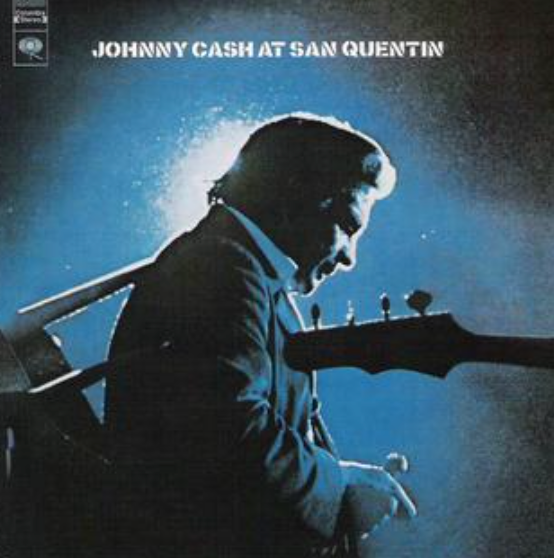
One of the most compelling stories linked to the Epiphone Newport Bass is its use by Marshall Grant, the bass player for Johnny Cash. Grant played an Epiphone Newport bass during the San Quentin recordings, a live album recorded at San Quentin State Prison in 1969. This album is one of Johnny Cash’s most famous live performances and holds a special place in music history.
Marshall Grant’s choice of the Newport bass highlights the instrument’s reliability and sound quality. The bass’s warm tone and playability suited the live setting and the raw energy of the prison concert. For fans of Johnny Cash and collectors of music memorabilia, owning or learning about this bass connects them to a pivotal moment in American music.
Why the 1965 Epiphone Newport Bass Matters Today
Today, the 1965 Epiphone Newport Bass remains a sought-after instrument for several reasons:
Historical significance: Its connection to the Gibson Kalamazoo factory and Marshall Grant’s performances makes it a piece of music history.
Unique design: The short scale neck and mahogany body offer a distinctive playing experience and sound.
Rare finish: Inverness Green is a rare colour that sets this bass apart visually.
Collectibility: Vintage Epiphone instruments from this era are increasingly valued by collectors and musicians.
For bass players looking for an instrument with character and a story, the Newport Bass offers both. It’s not just a tool for making music but a conversation piece that reflects a rich heritage.
Playing the 1965 Epiphone Newport Bass Today
Despite its vintage status, the Newport Bass is fully playable and can be integrated into modern music settings. Its short scale and warm tone make it suitable for genres like rock, blues, country, and jazz. Players who want a bass with a vintage vibe and unique sound will find the Newport a rewarding choice.
Musicians often appreciate the tactile feel of vintage instruments, which can inspire creativity and connection to the music. The Newport Bass’s history and design contribute to its charm and appeal on stage or in the studio.
The 1965 Epiphone Newport Bass in rare Inverness Green is more than just an instrument. It is a link to a specific time and place in music history, crafted with care in the Kalamazoo Gibson factory and played by a key figure in Johnny Cash’s band. Its unique features and story make it a valuable find for collectors and musicians alike. Whether admired for its sound, appearance, or heritage, this bass continues to resonate with those who appreciate the depth and character of vintage instruments.


Comments